
Let's take a look at Dr. David Sinclair's supplement stack for longevity and anti-aging. Last updated March 2026 — Sinclair updates his protocol as new research emerges, so check back regularly.
📑 Table of Contents 📑
Click on a supplement name in the table below to jump to the full details of why he takes it.
David Sinclair's Daily Supplements
| Supplement | Dose | Brand |
|---|---|---|
| NMN (Nicotinamide Mononucleotide) | 1,000 mg — Morning | NMN / NR Alternative: NR |
| Resveratrol | 1,000 mg — Morning w/ fat | Resveratrol |
| Berberine | ~1,000 mg — Daily | Berberine |
| Fisetin | 500 mg — Daily or cycled | Fisetin |
| Spermidine | 1–2 mg — Daily | Spermidine |
| Vitamin D3 + K2 | Unspecified — Daily | Option 1 / Option 2 |
| Fish Oil (Omega-3) | Unspecified — Daily | Option 1 / Option 2 |
| Alpha-Lipoic Acid (ALA) | ~500 mg — Daily | Option 1 / Option 2 |
| Nattokinase | Unspecified — Daily | Nattokinase |
| CoQ10 (Ubiquinol) | Unspecified — Daily | Option 1 / Option 2 |
| Low-Dose Aspirin | 81 mg — Daily | OTC / Generic |
| Statin (Rx) | 80 mg — Daily | Prescription only |
| Rapamycin (Rx) | ~4× per year | Prescription only |
⚠️ Brand note: Dr. Sinclair rarely endorses specific supplement brands publicly. The products linked above and below are quality options we recommend — they are not necessarily the exact brands he personally uses.
Who Is David Sinclair
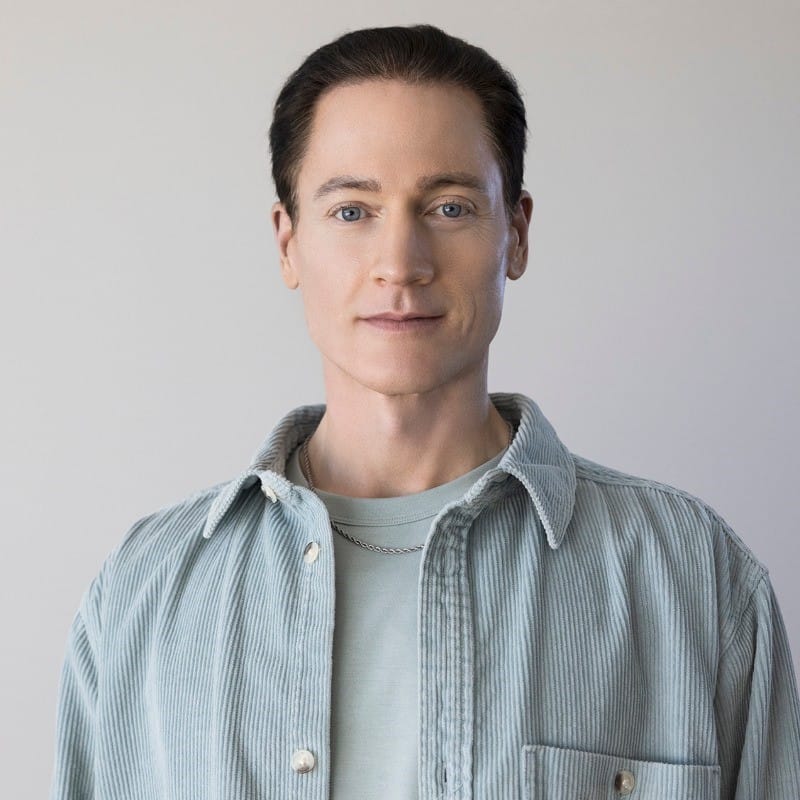
David Sinclair, PhD, is a Professor of Genetics at Harvard Medical School and one of the world's leading researchers on aging and longevity. He is co-director of the Paul F. Glenn Center for Biology of Aging Research and has spent decades studying why we age — and whether we can slow it down. His research focuses on sirtuins, NAD+ metabolism, and epigenetic reprogramming as drivers of biological aging. [source]
Sinclair is best known publicly for his 2019 book Lifespan: Why We Age — and Why We Don't Have To, which became a New York Times bestseller and introduced millions of people to the concept that aging itself may be treatable as a disease. He regularly appears on podcasts like the Huberman Lab, Joe Rogan Experience, and his own Lifespan with Dr. David Sinclair podcast, where he discusses his personal supplement protocol openly. [source]
Unlike many health influencers, Sinclair tracks his own biological age regularly using epigenetic clocks and bloodwork, and he adjusts his supplement stack based on what the emerging science — and his own data — shows.
David Sinclair's Daily Supplement Details
NMN (Nicotinamide Mononucleotide)
NMN is the cornerstone of Sinclair's anti-aging protocol. He takes 1,000 mg every morning as a precursor to NAD+, a coenzyme essential for cellular energy production, DNA repair, and activation of sirtuins — the proteins Sinclair's own research has linked to longevity. [source]
NAD+ levels naturally decline with age, which Sinclair believes is a key driver of the aging process. By taking NMN in the morning with a glass of water, Sinclair aims to replenish NAD+ and keep his sirtuin activity high. The combination of NMN and resveratrol is intentional — NMN provides the fuel, while resveratrol activates the sirtuins that use it.
- Restores NAD+ levels in aging tissues, supporting cellular repair [1]
- Improves insulin sensitivity and metabolic function in early human trials [2]
- Supports muscle function and endurance in older adults [3]
NMN supplement — our recommended option. Prefer a different form? NR (Nicotinamide Riboside) is another popular NAD+ precursor that some people find easier on the stomach: NR supplement. Both boost NAD+ through slightly different pathways — NMN is Sinclair's preference.
Resveratrol
Sinclair takes 1,000 mg of resveratrol each morning mixed into yogurt or another fat-containing food to maximize bioavailability. Resveratrol is a polyphenol found in red wine and grape skin that acts as a sirtuin activator — specifically SIRT1, which Sinclair's research has highlighted as a key longevity gene. He specifically uses coconut yogurt for this purpose. [source]
- Activates SIRT1 and other sirtuins, mimicking some effects of caloric restriction [4]
- Potent antioxidant and anti-inflammatory effects [5]
- Potential cardiovascular benefits via improved endothelial function [6]
Resveratrol supplement — our recommended option.
Berberine
This is one of the biggest changes in Sinclair's recent protocol. In a 2025 interview with Peter Diamandis, Sinclair revealed he has largely switched from metformin to berberine because metformin was hard on his stomach. Both activate AMPK, lower blood glucose, and improve insulin sensitivity — berberine just happens to be better tolerated and available without a prescription. He takes approximately 1,000 mg daily and still uses metformin occasionally. [source]
- Activates AMPK, a key longevity pathway targeted by caloric restriction [7]
- Improves blood glucose and insulin sensitivity comparably to metformin [8]
- Supports healthy lipid levels and cardiovascular markers [9]
Berberine supplement — our recommended option.
Fisetin
Fisetin is a plant flavonoid found naturally in strawberries and apples that Sinclair takes for its senolytic properties — it helps clear the body of senescent "zombie" cells that accumulate with age. These cells release inflammatory signals that damage surrounding tissue and accelerate aging. Sinclair takes around 500 mg daily, though some senolytic protocols use it intermittently at higher doses. [source]
- Demonstrated senolytic activity — selectively clears senescent cells in preclinical studies [10]
- Anti-inflammatory and antioxidant effects via multiple pathways [11]
- Neuroprotective properties with potential to support cognitive function with age [12]
Fisetin supplement — our recommended option.
Spermidine
Spermidine is a polyamine compound found naturally in wheat germ, soybeans, and aged cheese that Sinclair includes at 1–2 mg daily for its autophagy-inducing properties. Autophagy is the cellular "self-cleaning" process that removes damaged components — a process that declines with age and is strongly linked to longevity. [source]
- Induces autophagy — the cellular cleanup process central to anti-aging [13]
- Associated with reduced all-cause mortality in observational studies [14]
- Potential cardiovascular and cognitive benefits in aging populations [15]
Spermidine supplement — our recommended option.
Vitamin D3 + Vitamin K2
Sinclair takes both vitamin D3 and K2 as foundational micronutrients. Vitamin D3 is critical for immune function, bone health, and dozens of metabolic processes. Vitamin K2 (MK-7 form) directs calcium to bones rather than arteries — an important companion to D3. Estimates suggest 35–40% of Americans are deficient in vitamin D. [source]
- Supports immune function, bone density, and insulin sensitivity [16]
- K2 prevents arterial calcification and directs calcium to bone [17]
- Low D3 levels associated with increased all-cause mortality [18]
Our recommended D3+K2 options: Option 1 / Option 2
Fish Oil (Omega-3 Fatty Acids)
Sinclair includes omega-3 fish oil as a foundational anti-inflammatory supplement. EPA and DHA play a key role in cardiovascular health, brain function, and inflammation regulation. Given Sinclair's family history of heart disease and long-term statin use, omega-3 supplementation is a particularly logical addition. [source]
- Reduces cardiovascular risk and triglyceride levels [19]
- Supports brain health and reduces age-related cognitive decline [20]
- Potent anti-inflammatory effects throughout the body [21]
Our recommended fish oil options: Option 1 / Option 2
Alpha-Lipoic Acid (ALA)
ALA is a powerful antioxidant that Sinclair reintroduced to his stack as of his June 2025 interview, back to approximately 500 mg daily. ALA is notable for being both water- and fat-soluble, allowing it to work in virtually every tissue in the body. [source]
- Potent antioxidant that recycles vitamins C and E [22]
- Improves insulin sensitivity and supports healthy blood glucose [23]
- Neuroprotective benefits and mitochondrial function support [24]
Our recommended ALA options: Option 1 / Option 2
Nattokinase
Nattokinase is one of the newer additions to Sinclair's stack, mentioned in his June 2025 interview after a Chinese study showed impressive cardiovascular results — specifically arterial plaque reduction. It is an enzyme from natto (fermented soybeans) that acts as a natural fibrinolytic agent. Given Sinclair's family history of heart disease, this addition makes strong sense. [source]
- Breaks down fibrin clots and may support arterial plaque reduction [25]
- Natural fibrinolytic properties support cardiovascular health [26]
- Well-tolerated with a strong safety profile in human studies [27]
Nattokinase supplement — our recommended option.
CoQ10 (Ubiquinol)
Sinclair added CoQ10 as of his June 2025 interview. The ubiquinol form is better absorbed and essential for mitochondrial energy production. CoQ10 levels decline with age and are further depleted by statin use — making this a particularly logical addition given Sinclair's long-term statin prescription. [source]
- Critical component of the mitochondrial electron transport chain for ATP production [28]
- Statin medications deplete CoQ10 — supplementation helps restore levels [29]
- Supports cardiovascular health and reduces oxidative stress [30]
Our recommended CoQ10 options: Option 1 / Option 2
Low-Dose Aspirin
Sinclair takes 81 mg of baby aspirin daily for its potential anti-cancer and anti-inflammatory effects, citing observational data on reduced colorectal cancer risk. This is one of the more debated parts of his protocol — current primary prevention guidelines have shifted and there are real bleeding risks. Sinclair acknowledges this reflects his personal risk calculus as a researcher, not a general recommendation. [source]
Statin (Prescription)
Sinclair has taken 80 mg of a statin since age 29 due to a strong family history of cardiovascular disease, which he discussed openly on the Joe Rogan Experience. ⚠️ Statins require a prescription and medical supervision — this is not a supplement recommendation. [source]
Rapamycin (Prescription)
Rapamycin inhibits mTOR, a signaling pathway that when suppressed consistently extends lifespan in animal models. Sinclair now takes it approximately 4 times per year as of June 2025 — significantly reduced from weekly dosing — after epigenetic aging clock data didn't show the expected effect. ⚠️ Rapamycin is an immunosuppressant requiring a prescription and medical supervision. [source]
Supplements David Sinclair Has Stopped Taking
| Supplement | Status | Notes |
|---|---|---|
| Metformin | Largely replaced by Berberine | Caused stomach upset; still takes occasionally |
| TMG (Trimethylglycine) | Stopped | Previously taken to offset methyl group depletion from NMN; no longer taking as of 2025 |
| Taurine | Not taking | Despite high longevity research interest, Sinclair confirmed in June 2025 he is not currently taking it |
| Quercetin | Reduced / Paused | Previously taken as a senolytic companion to fisetin; appears scaled back in recent protocols |
Related Articles
- Peter Attia's Supplement Guide
- Andrew Huberman's Supplement Guide
- Rhonda Patrick's Supplement Guide
- Bryan Johnson's Supplement Guide
- Andy Galpin's Supplement Guide
References
[1] https://www.cell.com/cell-metabolism/fulltext/S1550-4131(16)30250-9
[2] https://www.nature.com/articles/s43587-021-00085-9
[3] https://www.ncbi.nlm.nih.gov/pmc/articles/PMC8884326/
[4] https://www.nature.com/articles/nature03243
[5] https://www.ncbi.nlm.nih.gov/pmc/articles/PMC4030221/
[6] https://pubmed.ncbi.nlm.nih.gov/23448853/
[7] https://www.ncbi.nlm.nih.gov/pmc/articles/PMC8874997/
[8] https://www.sciencedirect.com/science/article/abs/pii/S0944711323000740
[9] https://pubmed.ncbi.nlm.nih.gov/19800084/
[10] https://www.nature.com/articles/s41591-018-0092-9
[11] https://www.ncbi.nlm.nih.gov/pmc/articles/PMC6265761/
[12] https://pubmed.ncbi.nlm.nih.gov/23638927/
[13] https://www.nature.com/articles/s41591-018-0286-1
[14] https://www.nature.com/articles/s41591-018-0227-z
[15] https://www.ncbi.nlm.nih.gov/pmc/articles/PMC7287907/
[16] https://www.unitypoint.org/news-and-articles/how-to-spot-a-vitamin-d-deficiency
[17] https://pubmed.ncbi.nlm.nih.gov/16567088/
[18] https://linkinghub.elsevier.com/retrieve/pii/S0378512213003198
[19] https://www.nejm.org/doi/10.1056/NEJMoa1812792
[20] https://academic.oup.com/cercor/article/30/4/2057/5621493
[21] https://www.plefa.com/article/S0952-3278(21)00013-2/fulltext
[22] https://www.hindawi.com/journals/omcl/2016/7857186/
[23] https://pubmed.ncbi.nlm.nih.gov/16570028/
[24] https://pubmed.ncbi.nlm.nih.gov/22364157/
[25] https://www.ncbi.nlm.nih.gov/pmc/articles/PMC7916590/
[26] https://pmc.ncbi.nlm.nih.gov/articles/PMC8824545/
[27] https://www.ncbi.nlm.nih.gov/pmc/articles/PMC3562765/
[28] https://www.ncbi.nlm.nih.gov/pmc/articles/PMC5621476/
[29] https://pubmed.ncbi.nlm.nih.gov/15551760/
[30] https://www.ncbi.nlm.nih.gov/pmc/articles/PMC8572027/